
Luxury Kitchen Remodeling Services: Creating a High-End Kitchen
A luxury kitchen is more than an expensive collection of cabinets, appliances, and countertops. It is a carefully designed environment where beauty meets function, where every material feels intentional, and where everyday cooking can feel surprisingly effortless. When done well, a high-end kitchen should look impressive without sacrificing comfort or practicality.
Creating that kind of space takes more than picking premium finishes from a showroom. Homeowners need thoughtful planning, experienced professionals, and a clear understanding of how different design elements work together. If you're exploring premium renovation ideas, you can visit YOLO Interiors to explore how a design-focused approach can help turn an ordinary kitchen into a sophisticated, personalized space. The real objective? Build a kitchen that feels luxurious because everything works together—not simply because everything costs more.
What Makes a Kitchen Feel Truly Luxurious?
Luxury is often associated with price, but that's only part of the story.
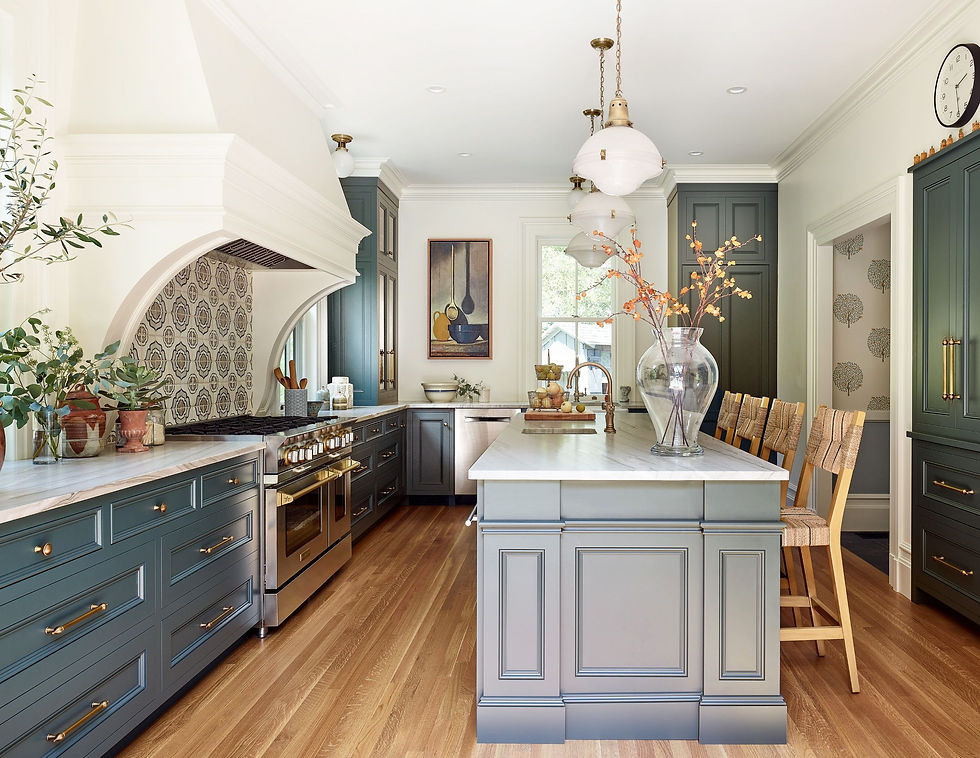
A high-end kitchen feels luxurious because it has intentional design, exceptional craftsmanship, premium materials, smart functionality, and visual harmony. Nothing feels randomly placed. Cabinets align beautifully. Lighting creates atmosphere. Appliances blend into the architecture. Storage is plentiful but discreet.
Think of it like a tailored suit. You could buy the most expensive fabric available, but if the suit doesn't fit, it won't look sophisticated. A luxury kitchen works the same way. The quality of the materials matters, but so does how everything fits the room and your lifestyle.
Luxury Should Be Personal
Your dream kitchen might include dramatic stone surfaces and dark cabinetry. Someone else might prefer soft neutral tones, natural wood, and minimalist details.
There is no single definition of luxury.
The best luxury kitchen remodeling services begin by understanding how you live, cook, entertain, and use the space.
Start With a Thoughtful Kitchen Layout
Before choosing cabinet colors or countertop materials, focus on the layout.
Why? Because even the most beautiful kitchen can become frustrating if the workflow is poorly designed.
A luxury kitchen should allow you to move naturally between preparation, cooking, cleaning, and storage areas.
Create Efficient Work Zones
Instead of thinking only about the traditional kitchen triangle, consider the different activities that happen in your kitchen.
You might create zones for:
Food preparation
Cooking
Baking
Coffee and beverages
Cleaning
Pantry storage
Entertainment
Casual dining
This approach makes the kitchen more intuitive.
When everything has a logical place, you spend less time searching for utensils or walking across the room and more time enjoying the space.
Invest in Custom Cabinetry
Cabinetry can become the architectural backbone of a luxury kitchen.
Standard cabinets can be functional, but custom cabinetry allows you to make better use of unusual corners, ceiling height, wall dimensions, and personal storage requirements.
Consider Cabinet Details Carefully
Luxury often appears in the details people don't immediately notice.
Consider features such as:
Soft-close doors and drawers
Full-extension drawer systems
Custom organizers
Integrated lighting
Hidden appliance storage
Custom pantry solutions
Built-in spice racks
Specialized drawer inserts
Floor-to-ceiling cabinetry
These details may seem subtle, but together they create a kitchen that feels exceptionally refined.
Choose a Sophisticated Cabinet Finish
Cabinet finishes can dramatically influence the personality of a kitchen.
Depending on your style, you might explore:
Natural wood
Painted cabinetry
High-gloss finishes
Matte finishes
Textured materials
Two-tone cabinet combinations
Custom stains
The goal isn't to choose the trendiest finish. It's to select something that complements your home's architecture and remains appealing over time.

Make Countertops a Design Statement
Countertops occupy a significant amount of visual space, making them one of the strongest opportunities to introduce luxury.
Natural stone, engineered surfaces, porcelain, and other premium materials can create a dramatic focal point.
Explore Waterfall Countertop Edges
A waterfall edge allows the countertop material to continue vertically down the side of an island.
The effect is clean, architectural, and visually striking.
It's particularly effective when the island serves as the centerpiece of the kitchen.
However, don't choose a waterfall edge simply because it looks impressive online. Make sure the island's dimensions and overall kitchen design support it.
Create a Statement Kitchen Island
In many luxury kitchens, the island becomes the heart of the room.
It can serve as a preparation area, dining space, gathering point, storage solution, and visual centerpiece all at once.
A well-designed island might include:
Seating
Drawers
Cabinets
Prep sinks
Wine or beverage storage
Electrical outlets
Built-in appliances
Decorative lighting
Size Matters
Bigger isn't automatically better.
An oversized island can make a kitchen feel cramped and disrupt traffic flow. The island should be proportionate to the room and leave enough comfortable space for people to move around it.
Luxury is about balance.
Add High-End Appliances
Appliances can combine technology, performance, and design.
A luxury kitchen may include advanced refrigerators, professional-style ranges, built-in ovens, induction cooktops, integrated dishwashers, beverage centers, or specialized appliances.
But here's the catch: don't buy appliances simply because they're expensive.
Choose them based on how you cook.
If you're passionate about baking, a high-performance oven may be more valuable to you than a specialized appliance you'll rarely use.
Consider Integrated Appliances
Integrated appliances can create a streamlined appearance by blending into the cabinetry.
This can be particularly effective in minimalist kitchens where visual clutter needs to be controlled.
The result is a space where the architecture takes center stage rather than having every appliance compete for attention.
Use Layered Kitchen Lighting
Lighting can completely transform the mood of a luxury kitchen.
Imagine the same kitchen under one harsh ceiling fixture versus a carefully layered lighting plan. The difference can be dramatic.
A sophisticated lighting strategy usually includes several types of illumination.
Ambient Lighting
This provides general lighting throughout the space.
Task Lighting
Task lighting focuses on work surfaces such as countertops, sinks, and cooking areas.
Accent Lighting
Accent lighting highlights architectural features, display cabinets, artwork, or decorative details.
Decorative Lighting
Pendant lights, chandeliers, and sculptural fixtures can serve as functional lighting while acting as design statements.
Together, these layers allow you to change the atmosphere depending on the occasion.
Bright lighting can support food preparation, while softer illumination can make the kitchen feel warmer during an evening gathering.
Choose Premium Materials Wisely
High-end kitchens often incorporate premium materials, but luxury doesn't mean throwing every expensive material into one room.
Too many competing textures can make a kitchen feel chaotic rather than sophisticated.
Instead, choose a few standout materials and allow them to shine.
For example, you might combine:
Natural stone countertops
Custom wood cabinetry
Elegant metal hardware
Large-format flooring
A carefully selected backsplash
Decorative lighting
The secret is coordination.
Mix Textures for Depth
A kitchen can feel flat when every surface has the same texture.
Combining smooth stone, natural wood, metal accents, glass, and subtle textural finishes can create depth without overwhelming the room.
Think of the materials as instruments in an orchestra. Each should contribute to the overall composition without drowning out the others.
Create a Sophisticated Backsplash
The backsplash is another opportunity to introduce personality.
Instead of treating it as an afterthought, consider how it interacts with the countertops, cabinetry, and lighting.
Large-format slabs can create a seamless appearance, while carefully selected tile can add pattern and texture.
A dramatic backsplash can become the focal point, while a subtle backsplash can allow other elements—such as the island or cabinetry—to take center stage.
Incorporate Smart Kitchen Technology
Modern luxury increasingly includes technology.
Smart kitchen features can improve convenience while keeping the design clean.
Depending on your needs, you might consider:
Smart appliances
Touchless faucets
Under-cabinet lighting controls
Automated shades
Smart ventilation
Built-in charging stations
Integrated audio systems
Smart home controls
Technology should serve a purpose.
A screen or gadget isn't automatically luxurious. The best technology works quietly in the background, making the kitchen easier to use without creating visual clutter.
Don't Forget Ventilation
Ventilation isn't the most glamorous part of kitchen design, but it's incredibly important.
A powerful ventilation system can help manage cooking odors, smoke, heat, and airborne grease.
A beautiful kitchen isn't much fun if the entire house smells like last night's dinner.
When designing a luxury kitchen, ventilation should be considered early rather than treated as an afterthought.
Think About Storage Beyond Cabinets
Luxury kitchens should feel spacious and organized.
That means clutter needs somewhere to go.
Consider incorporating dedicated storage for:
Small appliances
Cookware
Serving dishes
Spices
Coffee equipment
Baking supplies
Cleaning products
Recycling
Kitchen linens
Hide Everyday Clutter
One of the most effective luxury design techniques is creating places to hide things.
Appliance garages, concealed pantries, integrated trash systems, and deep drawers can keep everyday necessities out of sight.
The result is a kitchen that looks calm even when you're using it heavily.
Create a Seamless Connection With Other Rooms
If your home has an open-concept layout, your luxury kitchen shouldn't feel disconnected from the surrounding spaces.
Think about flooring, colors, materials, lighting, and sightlines.
The kitchen should complement the dining and living areas rather than looking like a completely separate environment.
This visual continuity can make the entire home feel more cohesive and intentional.
Balance Trends With Timeless Design
Luxury kitchens shouldn't need a complete makeover every few years.
While it's perfectly fine to incorporate current trends, build the major elements around timeless principles.
Consider keeping permanent features relatively classic and using replaceable elements for trend-driven details.
You can experiment with:
Hardware
Pendant lights
Bar stools
Paint
Accessories
Decorative pieces
This gives you flexibility without requiring another major renovation.
Work With Experienced Kitchen Remodeling Professionals
A luxury kitchen involves too many details to leave to guesswork.
Experienced kitchen remodeling professionals can help coordinate design, construction, materials, cabinetry, electrical systems, plumbing, lighting, and installation.
More importantly, they can identify potential problems before they become expensive ones.
Ask the Right Questions
Before hiring a remodeling team, ask:
Do you specialize in luxury kitchens?
Can I see examples of comparable projects?
Who handles the design?
Who manages construction?
What materials do you recommend?
How are changes handled?
What is included in the estimate?
What warranties are provided?
How do you communicate during construction?
What is the expected timeline?
Don't be afraid to ask detailed questions.
You're making a substantial investment, and you deserve clear answers.
Set a Luxury Remodeling Budget
A high-end kitchen can involve significant investment, so budget planning is essential.
Rather than focusing solely on a maximum number, think about where your money will have the greatest impact.
Prioritize improvements that affect both appearance and daily use.
For example, high-quality cabinetry, excellent lighting, durable countertops, and smart storage may provide more lasting value than spending excessively on a feature that simply looks impressive.
Leave Room for the Unexpected
Renovations sometimes reveal surprises.
Hidden plumbing problems, outdated electrical systems, structural conditions, or material changes can affect the final cost.
A contingency budget provides financial breathing room and allows you to address important issues without compromising the overall project.
Final Thoughts
Creating a high-end kitchen is about much more than choosing expensive finishes. True luxury comes from thoughtful planning, exceptional craftsmanship, intelligent storage, beautiful materials, efficient technology, comfortable layouts, and attention to detail.
Your kitchen should feel impressive when guests walk in, but it should also feel effortless when you're making coffee on a Tuesday morning.
That's the real test of luxury.
When design and functionality work together, the result isn't merely a kitchen that looks expensive. It's a personalized space that feels comfortable, performs beautifully, and enhances the way you experience your home every day.
Comments